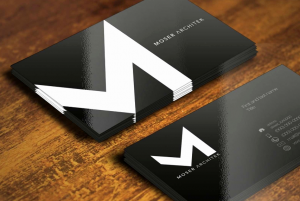
The Complete and Proven Guide to 14 Pt Cardstock for Business Cards
14 pt cardstock for business cards is when you hand somebody your business card; that small box of paper says a lot about you before you even express. The heaviness of it, how it feels between their fingers, whether it twists easily or holds firm—all of that connects something. And more often than not, the cards that impression actually remarkable are printed on 14 pt cardstock.
If you’ve been spending on business card printing and wondering what “14 pt” actually means, whether it’s the true choice for your wants, and how to get the superlative results—you’re in the right place. This guide covers everything: what 14 pt cardstock is, how it matches to other thicknesses, what finishes work best with it, and useful guidelines for ordering cards that make a long-lasting impression.
What Is 14 Pt Cardstock, Exactly?
The “pt” in 14 pt cardstock stands for topic — a unit of measurement used in the printing business to describe paper thickness. One point equals 1/1000th of an inch, so 14 pt cardstock is 0.014 inches thick. Those influences not sound like much, but in the creation of paper, they make a significant change.
To put it in standpoint, a standard sheet of office copy paper is crudely 5 pt. A flimsy publicity card might be printed on 10 pt. At 14 pt, you’re employed with something significantly more substantial—a card that won’t flop over when held, won’t crease in a wallet after a week, and conveys genuine quality the moment someone picks it up.
Why 14 Pt Is the Industry Standard for Business Cards
14 pt cardstock for business cards: Walk into any expert print shop and ask for business card stock—14 pt cardstock is almost certainly what they’ll guess you first. It has become the standard expectation for professional business cards through industries, from real estate agents and lawyers to freelancers and creative studios. It assaults the right stability between durability, printability, and cost-efficiency.
14 pt cardstock for business cards thinner than 14 pt tends to feel economical and turn too easily. Cards thicker than 14 pt — say 16 pt or 18 pt — offer premium heft but come at a higher price and aren’t always required for ordinary professional use. For most people and most purposes, 14 pt hits the sugary spot.
14 Pt Cardstock vs. Other Business Card Thicknesses
14 pt cardstock for business cards Understanding how 14 pt compares to other common thicknesses helps you make an informed decision based on your budget, brand image, and intended use.
10 Pt Cardstock
At 10 pt, cards are noticeably thinner and more flexible. They’re less expensive to print and work fine for high-volume, budget-conscious campaigns — think trade show giveaways or promotional inserts. However, they don’t project the same sense of professionalism as 14 pt cards. Many people associate thinner cards with lower-quality brands, even if that’s not a fair judgment.
16 Pt and 18 Pt Cardstock
Step up to 16 pt or 18 pt and you’re in premium territory. These thicker cards have an undeniable weightiness to them—the kind that makes people pause when they pick one up. They’re popular in luxury industries, high-end real estate, and among executives who want their cards to stand apart. The tradeoff is cost: thicker stock and some specialty finishes available at these weights can significantly increase your per-card price.
The 14 Pt Advantage
14 pt cardstock for business cards is the vast majority of professionals; 14 pt cardstock for business cards delivers the quality impression you need without inflating your printing budget. It’s sturdy enough to survive a few months in a wallet or card holder, thick enough to feel premium, and widely available from virtually every printing service.
Finish Options for 14 Pt Business Cards
14 pt cardstock for business cards are Once you’ve absolute on 14 pt cardstock, your next big result is the finish. The coating applied to your card touches how it looks, how it feels, and how well it holds up finished time. Here are the most popular options:
Gloss Finish
A gloss coating gives cards a glossy, insightful surface that makes colors pop—especially vibrant reds, blues, and photographic images. It’s the greatest collective and affordable coating option. The shortcoming: gloss cards can pick up fingerprints simply, and they’re not the best surface for text on if you always want to jot a note on the back.
Matte Finish
Matte-coated 14 pt cardstock has a flat, non-reflective surface with a superior, understated look. It inclines to feel softer and more concrete in hand. Matte is particularly standard for minimalist designs, graceful typography, and brands that want to express sophistication rather than high-energy vibrancy. Matte cards are also cooler to mark on.
UV Coating (Spot UV)
Spot UV relates a high-gloss varnish to specific spaces of the card—your logo, attractive element, or your name — while departure the rest with a matte or satin base. The difference between the two surfaces creates a perceptible, visually unusual effect. It’s one of the most operative ways to make a 14 pt business card feel really premium without improvement a thicker stock.
Soft Touch Laminate
14 pt cardstock for business cards has Soft-touch laminate is a smooth coating that creates an virtually suede-like feel. It’s gradually popular among brands in fashion, beauty, and hospitality. It’s also quite strong and resistant to friction. If first imitations are everything in your industry, soft touch laminate on 14 pt cardstock is tough to beat.
Design Tips for Getting the Most Out of 14 Pt Cardstock
14 pt cardstock for business cards is Even the best cardstock can be let depressed by a unwell designed card. Here are practical design deliberations that work in coordination with 14 pt stock:
- Keep bleed and safe zones in mind. Most printers want a 0.125-inch bleed on all sides and commend keeping perilous content at least 0.125 inches from the neat edge. On a standard 3.5″ x 2″ business card, that’s not a lot of real estate—so design with a focused limit.
- Use high-resolution artwork. For crunchy, professional results, all images and logos should be at 300 DPI or advanced at print size. Low-perseverance files print with visible pixelation, which damages the quality your 14 pt stock is meant to carry.
- Consider the coating when choosing colors. Shine coatings can slightly alter how colors appear related to your monitor. Ask your printer for hard evidence or review their color outlines before placing a large order. Matte qualities incline to mute colors somewhat, which can really look well-designed with the right palette.
- Dark backgrounds work gorgeously on 14 pt stock. Because 14 pt cardstock is thick plenty to grip rich ink exposure without warping, it handles dark or full-bleed designs better than stripper stocks. Navy, charcoal, and deep green backgrounds can look superb.
- Leave the back side useful. A double-sided card doubles your statement space. Use the spine for a tagline, a QR code, an easy map, or even a simple design element that supports your brand. On 14 pt cardstock, both sides print simply.
How to Order 14 Pt Business Cards: What to Look For
14 pt cardstock for business cards With countless online printers and local shops to choose from, knowing what to evaluate makes the selection process easier.
Verify the Actual Stock Weight
14 pt cardstock for business cards is Not all “14 pt” cardstock is formed equal. Some printers use advertising language loosely. Ask definitely about the caliper (actual thickness measurement) and whether the cardstock is coated or uncoated. A right 14 pt card should measure around 0.014 inches thick.
Request a Sample Pack
14 pt cardstock for business cards are Most trustworthy printers suggest free or low-cost model packs. Before requiring a 500- or 1,000-card order, request models that include 14 pt cards with dissimilar finish options. Feeling the transformation between gloss, matte, and soft touch in person is value the delay.
Compare Turnaround Times and Minimums
14 pt cardstock for business cards have standard orders typically shipping within 3–5 business days. Rush options are available from most major printers for an upcharge. If you’re printing for a function or event, order at least two weeks out to avoid stress. Moreover, check minimum order quantities—some printers require 100 or 250 cards, though others allow as little as 25.
Common Mistakes to Avoid With 14 Pt Business Cards
- Choosing the wrong finish for your industry. A shiny card can look flashy in one context and immoral in another. Lawyers and commercial advisors often lean matte; photographers and designers influence choose gloss or spot UV to showcase their graphical work.
- Overcrowding the design. Thick cardstock doesn’t mean you need to fill every millimeter. White space is your associate. A clean, well-spaced design on 14 pt cardstock links assurance and simplicity.
- Forgetting about durability needs. If you work in surroundings where cards get misty, handled commonly, or exposed to outdoor situations, reflect adding a laminate coating to your 14 pt cards for added security.
- Ignoring font legibility. Your contact information should be easy to read at a look. Decorative writings and tiny font sizes capacity look stunning in a design sample but are converted to frustration in real-creation use.
Commonly Asked Questions About 14 Pt Cardstock for Business Cards
Is 14 pt cardstock good for business cards?
Yes—14 pt cardstock is usually measured the industry standard for professional business cards. It suggestions the right balance of durability, printability, and affordability. Most specialized printing services use 14 pt as their default business card stock, which is a tough indicator of how well-suited it is for the job.
What is the difference between 14 pt and 16 pt cardstock?
16 pt cardstock is around 14% thicker than 14 pt, giving it a more premium, weighty sense. Cards printed on 16 pt stock feel unusually stiffer and more substantial. The tradeoff is cost — 16 pt typically runs 20–40% more expensive than 14 pt. For most specialists, 14 pt delivers brilliant effects at a more useful price point.
Can I write on 14 pt business cards?
It depends on the finish. Uncoated or matte-finished 14 pt cardstock agrees pen and pencil ink well, creating it easy to add a handwritten message. Shine-coated cards can be harder to write on, as the glossy surface causes most ballpoint pens to drop or smear. If writing on your cards is significant, opt for a matte or soft-touch finish.
How many business cards fit in an average cardholder with 14 pt stock?
Most standard business card holders accommodate 20–30 cards when filled with 14 pt stock. Because 14 pt is thicker than thin promotional stock, it fills up a card case faster than you might expect. For interacting events, carry more cards than you think you’ll need.
Is 14 pt cardstock double-sided printable?
Absolutely. Double-sided printing is one of the greatest methods to maximize a 14 pt business card. The stock is thick plenty that ink from one side doesn’t drain through to the other, so both sides print easily. Using the spine of your card for a secondary note, QR code, or brand element is constantly worth seeing.
Final Thoughts: Creating Every Card Count
Your business card is often the first carnal piece of your brand that somebody holds. A well-designed card printed on 14 pt cardstock tells persons something important: that you pay attention to worth, that you take your work seriously, and that the facts matter to you.
Whether you’re inspirational an existing design or printing your very first run of cards, 14 pt cardstock for business cards gives you a consistent, specialized foundation to build on. Pair it with the correct finish, a clean design, and exact contact information and you’ve got a card worth keeping.
Organized to get started? Request a sample pack from your chosen printer, 14 pt cardstock for business cards can relate a few finish options side by side, and place your order with confidence. A great business card is one of the most cost-effective savings you can make in your qualified image.








Post Comment